[an english version of this article is available here]
La prochaine fois qu’un crétin avec un diplôme de médecin en papier mâché vous dira avec componction et la bouche en cul-de-poule qu’un « vulgaire vermifuge ne peut pas avoir d’effet contre le cancer, c’est scientifiquement impossible »… commencez par le souffleter.
Et après, donnez-lui la liste ci-dessous.
J’ai compilé les études et papiers scientifiques (et même quelques tests cliniques) publiés depuis janvier 2021 qui traitent des propriétés anticancéreuses de cette famille chimique, les benzimidazoles carbamates (fenbendazole, mébendazole, albendazole, flubendazole, oxfendazole, parbendazole, etc.).
Rappel : certains de ces produits sont à usage vétérinaire (fenbendazole), d’autres pour les humains (mébendazole, albendazole).
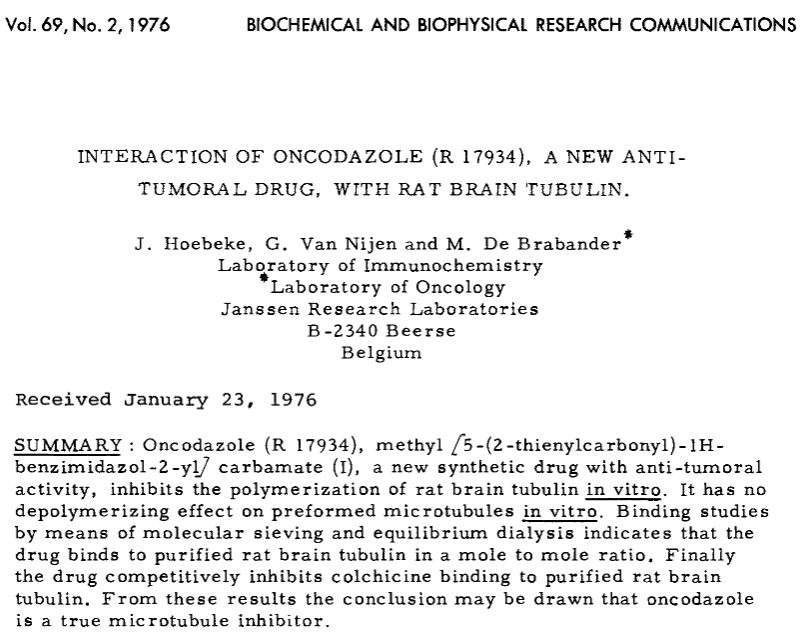
On utilise ces molécules depuis des décennies et une de leurs propriétés antitumorales -la déstabilisation des microtubules– est connue depuis les années 70.
Au total donc, 140 articles sur les 5 dernières années (et il existe de nombreux papiers antérieurs à 2021).
Cela représente plusieurs centaines de chercheurs (ils travaillent très souvent en équipe).
Le problème est donc simple à évaluer : ces centaines de scientifiques disséminés dans le monde sont-ils tous des charlatans ? Tous membres d’une secte ? Tous des fraudeurs ? Tous des imbéciles ?
Ou alors, ce sont ceux qui nient cette masse de travail et de données qui le sont (imbéciles) ?
Question évidemment rhétorique.
Si vous ajoutez les dizaines de brevets déposés depuis 1976 (lire mon article) ainsi que les milliers de témoignages (cancers humains et vétérinaires)… si ça ne percute toujours pas alors il faudrait consulter.
Non, pas un cancérologue (ils sont largués pour la plupart) mais plutôt un psychiatre.
Enfin, sachez qu’on trouve des études portant sur d’autres anthelminthique, chimiquement différents, comme par exemple le thiabendazole, le niclosamide et bien sûr la fameuse ivermectine.
Mais chaque chose -et chaque dose- en son temps.
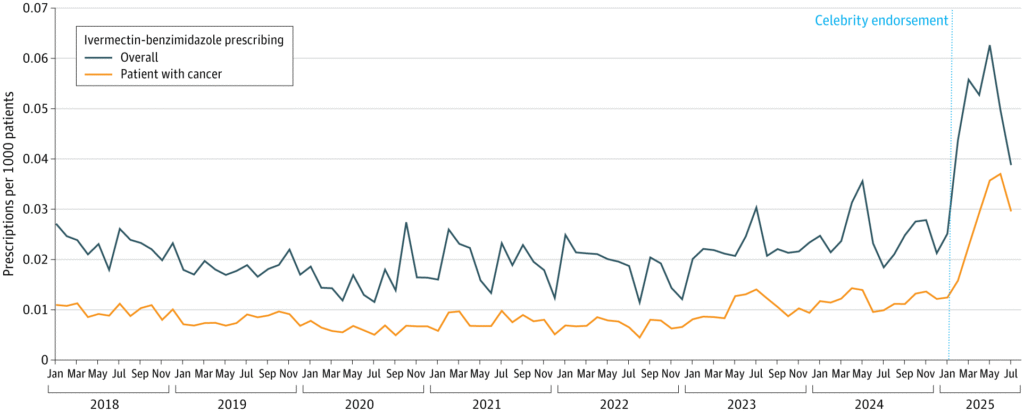
Rien ne peut arrêter le mouvement des médicaments repositionnés face au cancer.
Pour la liste, pas de fioritures : année et mois de publication, titre (en anglais) et le lien qui va bien vers PubMed. Le tout classé par ordre chronologique décroissant.
Prêt(e) ?
2026 (mai)
Mebendazole impairs the expression and function of enzymes in nucleotide metabolism pathways, leading to Selective Cytotoxicity, Cell Cycle Arrest, and Damage to Cell Morphology in Gastric Cancer
https://pubmed.ncbi.nlm.nih.gov/41720422/
2026 (avril)
USP5 regulates purine metabolism and represents a therapeutic target in esophageal cancer
https://pubmed.ncbi.nlm.nih.gov/41922317/
2026 (mars)
Repurposing mebendazole to reprogram oncogenic and tumor-suppressor networks: Multi-cancer insights from ENOX2, MMP2, RASSF1A, WFDC10A and METTL7A
https://pubmed.ncbi.nlm.nih.gov/41886499/
Ferroptosis Induction by Fenbendazole Combined With Photothermal Therapy Triggers Dual-Immunotherapy Against Bladder Cancer
https://pubmed.ncbi.nlm.nih.gov/41861111/
2026 (février)
Integrated regulation of ferroptosis in prostate cancer covering mechanisms, resistance, and translational opportunities
https://pubmed.ncbi.nlm.nih.gov/41639281/
2026 (janvier)
Characterization of the anticancer effect of mebendazole and its interaction with standard cytotoxic drugs in patient tumor cells ex vivo and in an in vivo mouse model
https://pubmed.ncbi.nlm.nih.gov/41201043/
Mebendazole inhibits PELI3-mediated ubiquitination of TRADD in non-small cell lung cancer cells
https://pubmed.ncbi.nlm.nih.gov/41584581
Evaluating the Efficacy of Mebendazole Repurposing for Ovarian Cancer Therapy Using Optical Coherence Tomography
https://pubmed.ncbi.nlm.nih.gov/40922675/
2025 (décembre)
Ketogenic diet as a metabolic vehicle for enhancing the therapeutic efficacy of mebendazole and devimistat in preclinical high-grade gliomas grown in juvenile mice
https://www.biorxiv.org/content/10.1101/2023.06.09.544252v2.full
Mebendazole induces ZBP-1 mediated PANoptosis of acute myeloid leukemia cells by targeting TUBA1A and exerts antileukemia effect
https://pubmed.ncbi.nlm.nih.gov/39952321
Girdin silencing enhances mebendazole-mediated anticancer activity: a combinatorial therapeutic strategy for ovarian cancer
https://pubmed.ncbi.nlm.nih.gov/41460544/
Disruption of epidermal growth factor receptor signaling and cytoskeletal dynamics by mebendazole and gefitinib synergistically impairs paracrine cytokine signaling in non-small cell lung cancer and triple-negative breast cancer Cell lines
https://pubmed.ncbi.nlm.nih.gov/41401147/
2025 (novembre)
Preliminary assessment of repurposed mebendazole nano-systems for passive targeting and potential treatment of bone metastasis
https://pubmed.ncbi.nlm.nih.gov/41082306/
2025 (octobre)
Mebendazole-Treated Human Monocyte-Derived Dendritic Cells Represent Promoted Immunogenic Phenotype with Augmented Expression of Inflammatory Markers
https://pubmed.ncbi.nlm.nih.gov/41835057/
2025 (septembre)
Stearyl amine-modified elastic cerosomes for boosting the anti-cancer activity of albendazole
https://pubmed.ncbi.nlm.nih.gov/40978467/
Drug Repurposing for Targeting Cancer Stem-like Cells in Glioblastoma
https://pubmed.ncbi.nlm.nih.gov/41008843/
2025 (août)
Flubendazole inhibits cervical carcinoma by targeting DHODH to induce ferroptosis and mitophagy
https://pubmed.ncbi.nlm.nih.gov/40885318/
2025 (juillet)
Critical dysregulated signaling pathways in drug resistance: highlighting the repositioning of mebendazole for cancer therapy
https://pubmed.ncbi.nlm.nih.gov/40786044/
Synergistic anti-tumor effect of fenbendazole and diisopropylamine dichloroacetate in immunodeficient BALB/c nude mice transplanted with A549 lung cancer cells
https://pubmed.ncbi.nlm.nih.gov/40799435/
Fenbendazole induces pyroptosis in breast cancer cells through HK2/caspase-3/GSDME signaling pathway
https://pubmed.ncbi.nlm.nih.gov/40756987/
2025 (juin)
The therapeutic potential of repurposed mebendazole, alone and in synergistic combination with ONC201, in the treatment of diffuse midline glioma
https://pubmed.ncbi.nlm.nih.gov/40667566/
Abemaciclib induces G1 arrest and lysosomal dysfunction in canine melanoma cells: synergistic effects with fenbendazole
https://pubmed.ncbi.nlm.nih.gov/40642276/
2025 (mai)
Fenbendazole Exhibits Antitumor Activity Against Cervical Cancer Through Dual Targeting of Cancer Cells and Cancer Stem Cells: Evidence from In Vitro and In Vivo Models
https://pubmed.ncbi.nlm.nih.gov/40509264/
2025 (mars)
Stearyl amine tailored spanlastics embedded within tetronic® nanogel for boosting the repurposed anticancer potential of mebendazole: formulation, in vitro profiling, cytotoxicity assessment, and in vivo permeation analysis
https://pubmed.ncbi.nlm.nih.gov/40156679/
Optimisation of albendazole delivery and assessment of anticancer potential in hepatocellular carcinoma (HepG2 cells) using surface modified nanostructured lipid carriers
https://pubmed.ncbi.nlm.nih.gov/39819283/
2025 (janvier)
Mebendazole effectively overcomes imatinib resistance by dual-targeting BCR/ABL oncoprotein and β-tubulin in chronic myeloid leukemia cells
https://pubmed.ncbi.nlm.nih.gov/39539176/
Mebendazole Exerts Anticancer Activity in Ovarian Cancer Cell Lines via Novel Girdin-Mediated AKT/IKKα/β/NF-κB Signaling Axis
https://pubmed.ncbi.nlm.nih.gov/39851541/
Transcriptome analysis displays new molecular insights into the mechanisms of action of Mebendazole in gastric cancer cells
https://pubmed.ncbi.nlm.nih.gov/39566281/
Albendazole nanosuspension coated granules for the rapid localized release and treatment of colorectal cancer
https://pubmed.ncbi.nlm.nih.gov/39423765/
2024 (décembre)
Transcriptome analysis reveals the anticancer effects of fenbendazole on ovarian cancer: an in vitro and in vivo study
https://pubmed.ncbi.nlm.nih.gov/39736624/
2024 (novembre)
Synergistic inhibition of proliferation and induction of apoptosis in oral tongue squamous cell carcinoma by mebendazole and paclitaxel via PI3K/AKT pathway mitigation
https://pubmed.ncbi.nlm.nih.gov/39614899/
Fenbendazole and Diisopropylamine Dichloroacetate Exert Synergistic Anti-cancer Effects by Inducing Apoptosis and Arresting the Cell Cycle in A549 Lung Cancer Cells
https://pubmed.ncbi.nlm.nih.gov/39477286/
Albumin and Polysorbate-80 Coated Sterile Nanosuspensions of Mebendazole for Glioblastoma Therapy
https://pubmed.ncbi.nlm.nih.gov/39586850/
In vitro evaluation of lipidic nanocarriers for mebendazole delivery to improve anticancer activity
https://pubmed.ncbi.nlm.nih.gov/39527027/
Application of Box-Behnken design in the optimization and development of albendazole-loaded zein nanoparticles as a drug repurposing approach for colorectal cancer management
https://pubmed.ncbi.nlm.nih.gov/39414215/
2024 (octobre)
From Deworming to Cancer Therapy: Benzimidazoles in Hematological Malignancies
https://pubmed.ncbi.nlm.nih.gov/39456548/
2024 (septembre)
Oral Fenbendazole for Cancer Therapy in Humans and Animals
https://pubmed.ncbi.nlm.nih.gov/39197912/
Evaluation of the antitumor activity of albendazole using Langmuir-Blodgett monolayers as surface mediated drug delivery system
https://pubmed.ncbi.nlm.nih.gov/39147249/
Anticancer role of flubendazole: Effects and molecular mechanisms (Review)
https://pubmed.ncbi.nlm.nih.gov/39355784/
2024 (août)
Synergistic intravesical instillation for bladder cancer: CRISPR-Cas13a and fenbendazole combination therapy
https://pubmed.ncbi.nlm.nih.gov/39128990/
2024 (juillet)
Case report: Precision guided reactive cancer management: molecular complete response in heavily pretreated metastatic CRC by dual immunotherapy and sorafenib
https://pubmed.ncbi.nlm.nih.gov/39011472/
2024 (juin)
Dual drug-loaded polymeric mixed micelles for ovarian cancer: Approach to enhanced therapeutic efficacy of albendazole and paclitaxel
https://pubmed.ncbi.nlm.nih.gov/38864691/
2024 (mai)
Repurposing mebendazole against triple-negative breast cancer CNS metastasis
https://pubmed.ncbi.nlm.nih.gov/38563850/
Preparation and evaluation of fenbendazole methyl-β-cyclodextrin inclusion complexes
https://pubmed.ncbi.nlm.nih.gov/38769544/
Enhancing antitumor efficacy of oncolytic virus M1 via albendazole-sustained CD8+ T cell activation
https://pubmed.ncbi.nlm.nih.gov/38817541/
2024 (avril)
A phase 1 study of mebendazole with bevacizumab and irinotecan in high-grade gliomas
https://pubmed.ncbi.nlm.nih.gov/38234020/
In vitro and in vivo anticancer activity of mebendazole in colon cancer: a promising drug repositioning
https://pubmed.ncbi.nlm.nih.gov/37837472/
In vivo evaluation of mebendazole and Ran GTPase inhibition in breast cancer model system
https://pubmed.ncbi.nlm.nih.gov/38661720/
Albendazole inhibits colon cancer progression and therapy resistance by targeting ubiquitin ligase RNF20
https://pubmed.ncbi.nlm.nih.gov/38278978/
2024 (mars)
Flubendazole suppresses VEGF-induced angiogenesis in HUVECs and exerts antitumor effects in PC-3 cells
https://pubmed.ncbi.nlm.nih.gov/38480495/
2024 (février)
Mebendazole induces apoptosis and inhibits migration via the reactive oxygen species-mediated STAT3 signaling downregulation in non-small cell lung cancer
https://pubmed.ncbi.nlm.nih.gov/38505087/
Investigating the Promising Anticancer Activity of Cetuximab and Fenbendazole Combination as Dual CBS and VEGFR-2 Inhibitors and Endowed with Apoptotic Potential
https://pubmed.ncbi.nlm.nih.gov/38318954/
A novel treatment to enhance survival for end stage triple negative breast cancer using repurposed veterinary anthelmintics combined with gut‑supporting/immune enhancing molecules
https://pubmed.ncbi.nlm.nih.gov/38131223/
The microtubule cytoskeleton: A validated target for the development of 2-Aryl-1H-benzo[d]imidazole derivatives as potential anticancer agents
https://pubmed.ncbi.nlm.nih.gov/38181711/
2024 (janvier)
Parbendazole as a promising drug for inducing differentiation of acute myeloid leukemia cells with various subtypes
https://pmc.ncbi.nlm.nih.gov/articles/PMC10808455/
2023 (décembre)
Albendazole exerts an anti-hepatocellular carcinoma effect through a WWOX-dependent pathway
https://pubmed.ncbi.nlm.nih.gov/36257459/
Albendazole induces an anti-tumor effect and potentiates PD-L1 blockade immunotherapy
https://pubmed.ncbi.nlm.nih.gov/37730912/
2023 (novembre)
Structure-Based Optimization of Carbendazim-Derived Tubulin Polymerization Inhibitors through Alchemical Free Energy Calculations
https://pubmed.ncbi.nlm.nih.gov/37947759/
Fenbendazole Exhibits Differential Anticancer Effects In Vitro and In Vivo in Models of Mouse Lymphoma
https://pubmed.ncbi.nlm.nih.gov/37998737/
Oxfendazole Induces Apoptosis in Ovarian Cancer Cells by Activating JNK/MAPK Pathway and Inducing Reactive Oxygen Species Generation
https://pubmed.ncbi.nlm.nih.gov/37914359/
2023 (octobre)
Benzimidazoles Containing Piperazine Skeleton at C-2 Position as Promising Tubulin Modulators with Anthelmintic and Antineoplastic Activity
https://pubmed.ncbi.nlm.nih.gov/38004384/
Flubendazole Enhances the Inhibitory Effect of Paclitaxel via HIF1α/PI3K/AKT Signaling Pathways in Breast Cancer
https://pubmed.ncbi.nlm.nih.gov/37894802/
2023 (septembre)
Network pharmacology and molecular docking study-based approach to explore mechanism of benzimidazole-based anthelmintics for the treatment of lung cancer
https://pubmed.ncbi.nlm.nih.gov/37740654/
Mebendazole targets essential proteins in glucose metabolism leading gastric cancer cells to death
https://pubmed.ncbi.nlm.nih.gov/37473966/
Anti-cancer effect of fenbendazole-incorporated PLGA nanoparticles in ovarian cancer
https://pubmed.ncbi.nlm.nih.gov/37170725/
Optimizing adjuvant inhaled chemotherapy: Synergistic enhancement in paclitaxel cytotoxicity by flubendazole nanocrystals in a cycle model approach
https://pubmed.ncbi.nlm.nih.gov/37591475/
2023 (août)
Not all benzimidazole derivatives are microtubule destabilizing agents
https://pubmed.ncbi.nlm.nih.gov/37271075/
Albendazole repurposing on VEGFR-2 for possible anticancer application: In-silico analysis
https://pubmed.ncbi.nlm.nih.gov/37585409/
2023 (juillet)
Flubendazole inhibits PD-1 and suppresses melanoma growth in immunocompetent mice
https://pubmed.ncbi.nlm.nih.gov/37452307/
2023 (juin)
Repurposing Drugs in Controlling Recurrent Platinum-Resistant Clear-Cell Ovarian Cancer
https://pubmed.ncbi.nlm.nih.gov/37323625/
2023 (mai)
Benzimidazole carbamate induces cytotoxicity in breast cancer cells via two distinct cell death mechanisms
https://pubmed.ncbi.nlm.nih.gov/37179350/
Drug Repurposing in Oncology: A Systematic Review of Randomized Controlled Clinical Trials
https://pubmed.ncbi.nlm.nih.gov/37296934/
Repurposing mebendazole against triple-negative breast cancer CNS metastasis
https://pubmed.ncbi.nlm.nih.gov/38563850/
Mebendazole preferentially inhibits cilia formation and exerts anticancer activity by synergistically augmenting DNA damage
https://pubmed.ncbi.nlm.nih.gov/38513592/
Anticancer Evaluation of Methoxy Poly(Ethylene Glycol)- b-Poly(Caprolactone) Polymeric Micelles Encapsulating Fenbendazole and Rapamycin in Ovarian Cancer
https://pubmed.ncbi.nlm.nih.gov/37152471/
Melatonin in Combination with Albendazole or Albendazole Sulfoxide Produces a Synergistic Cytotoxicity against Malignant Glioma Cells through Autophagy and Apoptosis
https://pubmed.ncbi.nlm.nih.gov/37371349/
Hypoxia Inhibitor Combined with Chemotherapeutic Agents for Antitumor and Antimetastatic Efficacy against Osteosarcoma
https://pubmed.ncbi.nlm.nih.gov/37042832/
2023 (avril)
Drug Repurposing Flubendazole to Suppress Tumorigenicity via PCSK9-dependent Inhibition and Potentiate Lenvatinib Therapy for Hepatocellular Carcinoma
https://pubmed.ncbi.nlm.nih.gov/37151886/
2023 (mars)
Redox-mediated Anticancer Activity of Anti-parasitic Drug Fenbendazole in Triple-negative Breast Cancer Cells
https://pubmed.ncbi.nlm.nih.gov/36854536/
2023 (février)
Mebendazole Treatment Disrupts the Transcriptional Activity of Hypoxia-Inducible Factors 1 and 2 in Breast Cancer Cells
https://pubmed.ncbi.nlm.nih.gov/36831670/
Benzimidazole and its derivatives as cancer therapeutics: The potential role from traditional to precision medicine
https://pubmed.ncbi.nlm.nih.gov/36873180/
2023 (janvier)
Emerging Perspectives on the Antiparasitic Mebendazole as a Repurposed Drug for the Treatment of Brain Cancers
https://pubmed.ncbi.nlm.nih.gov/36674870/
Inhibition of Wnt Signaling in Colon Cancer Cells via an Oral Drug that Facilitates TNIK Degradation
https://pubmed.ncbi.nlm.nih.gov/36302395/
2022 (décembre)
Mebendazole prevents distant organ metastases in part by decreasing ITGβ4 expression and cancer stemness
https://pubmed.ncbi.nlm.nih.gov/36578038/
Mebendazole Increases Anticancer Activity of Radiotherapy in Radiotherapy-Resistant Triple-Negative Breast Cancer Cells by Enhancing Natural Killer Cell-Mediated Cytotoxicity
https://pubmed.ncbi.nlm.nih.gov/36555137/
2022 (novembre)
The Novel IGF-1R Inhibitor PB-020 Acts Synergistically with Anti-PD-1 and Mebendazole against Colorectal Cancer
https://pubmed.ncbi.nlm.nih.gov/36497233/
Mebendazole Impedes the Proliferation and Migration of Pancreatic Cancer Cells through SK1 Inhibition Dependent Pathway
https://pubmed.ncbi.nlm.nih.gov/36500220/
Modulation of Autophagy is a Potential Strategy for Enhancing the Anti-Tumor Effect of Mebendazole in Glioblastoma Cells
https://pubmed.ncbi.nlm.nih.gov/36305295/
Albendazole-induced autophagy blockade contributes to elevated apoptosis in cholangiocarcinoma cells through AMPK/mTOR activation
https://pubmed.ncbi.nlm.nih.gov/36055539/
2022 (septembre)
Repurposing of Benzimidazole Anthelmintic Drugs as Cancer Therapeutics
https://pubmed.ncbi.nlm.nih.gov/36230527/
Antidiabetics, Anthelmintics, Statins, and Beta-Blockers as Co-Adjuvant Drugs in Cancer Therapy
https://pubmed.ncbi.nlm.nih.gov/36143915/
Anti-cancer effects of fenbendazole on 5-fluorouracil-resistant colorectal cancer cells
https://pubmed.ncbi.nlm.nih.gov/36039738/
2022 (août)
Anticancer potential of mebendazole against chronic myeloid leukemia: in silico and in vitro studies revealed new insights about the mechanism of action
https://pubmed.ncbi.nlm.nih.gov/36091760/
Targeting the Unwindosome by Mebendazole Is a Vulnerability of Chemoresistant Hepatoblastoma
https://pubmed.ncbi.nlm.nih.gov/36077733/
2022 (juillet)
Regulation of apoptosis and autophagy by albendazole in human colon adenocarcinoma cells
https://pubmed.ncbi.nlm.nih.gov/35504402/
PD-L1-Targeted Co-Delivery of Two Chemotherapeutics for Efficient Suppression of Skin Cancer Growth
https://pubmed.ncbi.nlm.nih.gov/35890381/
Drug Repurposing to Enhance Antitumor Response to PD-1/PD-L1 Immune Checkpoint Inhibitors
https://pubmed.ncbi.nlm.nih.gov/35884428/
2022 (juin)
Mebendazole; from an anti-parasitic drug to a promising candidate for drug repurposing in colorectal cancer
https://pubmed.ncbi.nlm.nih.gov/35385794/
HPMA Copolymer Mebendazole Conjugate Allows Systemic Administration and Possesses Antitumour Activity In Vivo
https://pubmed.ncbi.nlm.nih.gov/35745774/
Teaching an old dog new tricks: The case of Fenbendazole
https://pubmed.ncbi.nlm.nih.gov/35780728/
2022 (mai)
Mebendazole plus lomustine or temozolomide in patients with recurrent glioblastoma: A randomised open-label phase II trial
https://pubmed.ncbi.nlm.nih.gov/35747192/
G2/M arrest and mitotic slippage induced by fenbendazole in canine melanoma cells
https://pubmed.ncbi.nlm.nih.gov/35020278/
Albendazole induces immunotherapy response by facilitating ubiquitin-mediated PD-L1 degradation
https://pubmed.ncbi.nlm.nih.gov/35577504/
2022 (avril)
Benzimidazole-carbamate anthelmintics: Perspective candidates for the anticancer drug development
https://pubmed.ncbi.nlm.nih.gov/35297083/
Novel therapeutic strategy for melanoma based on albendazole and the CDK4/6 inhibitor palbociclib
https://pubmed.ncbi.nlm.nih.gov/35383224
β-Lactoglobulin-Modified Mesoporous Silica Nanoparticles: A Promising Carrier for the Targeted Delivery of Fenbendazole into Prostate Cancer Cells
https://pubmed.ncbi.nlm.nih.gov/35456716/
Flubendazole induces mitochondrial dysfunction and DRP1-mediated mitophagy by targeting EVA1A in breast cancer
https://pubmed.ncbi.nlm.nih.gov/35440104/
2022 (mars)
Biodegradable and biocompatible subcutaneous implants consisted of pH-sensitive mebendazole-loaded/folic acid-targeted chitosan nanoparticles for murine triple-negative breast cancer treatment
https://pubmed.ncbi.nlm.nih.gov/35361226/
2022 (janvier)
Flubendazole Plays an Important Anti-Tumor Role in Different Types of Cancers
https://pubmed.ncbi.nlm.nih.gov/35008943/
European Mistletoe (Viscum album) Extract Is Cytotoxic to Canine High-Grade Astrocytoma Cells In Vitro and Has Additive Effects with Mebendazole
https://pubmed.ncbi.nlm.nih.gov/35051115/
Enhancing the efficacy of albendazole for liver cancer treatment using mesoporous silica nanoparticles: an in vitro study
https://pubmed.ncbi.nlm.nih.gov/35221842/
(cRGD)2 peptides modified nanoparticles increase tumor-targeting therapeutic effects by co-delivery of albendazole and iodine-131
https://pubmed.ncbi.nlm.nih.gov/34261920/
2021 (décembre)
In Silico and In Vitro Studies for Benzimidazole Anthelmintics Repurposing as VEGFR-2 Antagonists: Novel Mebendazole-Loaded Mixed Micelles with Enhanced Dissolution and Anticancer Activity
https://pubmed.ncbi.nlm.nih.gov/35036753/
Low-Dose Albendazole Inhibits Epithelial-Mesenchymal Transition of Melanoma Cells by Enhancing Phosphorylated GSK-3 β/Tyr216 Accumulation
https://pubmed.ncbi.nlm.nih.gov/34966427/
Emerging insights on functions of the anthelmintic flubendazole as a repurposed anticancer agent
https://pubmed.ncbi.nlm.nih.gov/34520820/
2021 (novembre)
Albendazole inhibits NF-κB signaling pathway to overcome tumor stemness and bortezomib resistance in multiple myeloma
https://pubmed.ncbi.nlm.nih.gov/34390764/
2021 (octobre)
Mebendazole Mediates Proteasomal Degradation of GLI Transcription Factors in Acute Myeloid Leukemia
https://pubmed.ncbi.nlm.nih.gov/34639011/
Computational repurposing of benzimidazole anthelmintic drugs as potential colchicine binding site inhibitors
https://pubmed.ncbi.nlm.nih.gov/34505541/
Treatment of breast and colon cancer cell lines with anti-helmintic benzimidazoles mebendazole or albendazole results in selective apoptotic cell death
https://pubmed.ncbi.nlm.nih.gov/34148157/
PEGylated Mesoporous Silica Nanoparticles (MCM-41): A Promising Carrier for the Targeted Delivery of Fenbendazole into Prostrate Cancer Cells
https://pubmed.ncbi.nlm.nih.gov/34683898/
Albendazole-loaded cubosomes interrupt the ERK1/2-HIF-1α-p300/CREB axis in mice intoxicated with diethylnitrosamine: A new paradigm in drug repurposing for the inhibition of hepatocellular carcinoma progression
https://pubmed.ncbi.nlm.nih.gov/34416629/
2021 (août)
Flubendazole Elicits Antitumor Effects by Inhibiting STAT3 and Activating Autophagy in Non-small Cell Lung Cancer
https://pubmed.ncbi.nlm.nih.gov/34513827/
Anticancer Effect of Benzimidazole Derivatives, Especially Mebendazole, on Triple-Negative Breast Cancer (TNBC) and Radiotherapy-Resistant TNBC In Vivo and In Vitro
https://pubmed.ncbi.nlm.nih.gov/34500557/
2021 (juillet)
HPMA-Based Polymer Conjugates for Repurposed Drug Mebendazole and Other Imidazole-Based Therapeutics
https://pubmed.ncbi.nlm.nih.gov/34372133/
Antiparasitic mebendazole (MBZ) effectively overcomes cisplatin resistance in human ovarian cancer cells by inhibiting multiple cancer-associated signaling pathways
https://pubmed.ncbi.nlm.nih.gov/34232919/
Mebendazole disrupts stromal desmoplasia and tumorigenesis in two models of pancreatic cancer
https://pubmed.ncbi.nlm.nih.gov/34262644/
2021 (juin)
Albendazole and Mebendazole as Anti-Parasitic and Anti-Cancer Agents: an Update
https://pubmed.ncbi.nlm.nih.gov/34218593/
Progress in Redirecting Antiparasitic Drugs for Cancer Treatment
https://pubmed.ncbi.nlm.nih.gov/34188451/
Albendazole Release from Silica-Chitosan Nanospheres. In Vitro Study on Cervix Cancer Cell Lines
https://pubmed.ncbi.nlm.nih.gov/34208138/
2021 (mai)
Structural insights into targeting of the colchicine binding site by ELR510444 and parbendazole to achieve rational drug design
https://pubmed.ncbi.nlm.nih.gov/35478655/
Albendazole exerts antiproliferative effects on prostate cancer cells by inducing reactive oxygen species generation
https://pubmed.ncbi.nlm.nih.gov/33777218/
Antimicrobial and anticancer properties of Carica papaya leaves derived di-methyl flubendazole mediated silver nanoparticles
https://pubmed.ncbi.nlm.nih.gov/33848887/
2021 (avril)
A phase 2a clinical study on the safety and efficacy of individualized dosed mebendazole in patients with advanced gastrointestinal cancer
https://pubmed.ncbi.nlm.nih.gov/33903692/
Screening of Benzimidazole-Based Anthelmintics and Their Enantiomers as Repurposed Drug Candidates in Cancer Therapy
https://pubmed.ncbi.nlm.nih.gov/33920661/
2021 (mars)
Albendazole Exhibits Anti-Neoplastic Actions against Gastric Cancer Cells by Affecting STAT3 and STAT5 Activation by Pleiotropic Mechanism(s)
https://pubmed.ncbi.nlm.nih.gov/33807326/
Revisiting Activity of Some Nocodazole Analogues as a Potential Anticancer Drugs Using Molecular Docking and DFT Calculations
https://pubmed.ncbi.nlm.nih.gov/33842429/
Unbiased Phenotype-Based Screen Identifies Therapeutic Agents Selective for Metastatic Prostate Cancer
https://pubmed.ncbi.nlm.nih.gov/33738243/
2021 (février)
Targeting Cancer Stem Cells with Repurposed Drugs to Improve Current Therapies
https://pubmed.ncbi.nlm.nih.gov/33563159/
Flubendazole, FDA-approved anthelmintic, elicits valid antitumor effects by targeting P53 and promoting ferroptosis in castration-resistant prostate cancer
https://pubmed.ncbi.nlm.nih.gov/33197601/
2021 (janvier)
Potential and mechanism of mebendazole for treatment and maintenance of ovarian cancer
https://pubmed.ncbi.nlm.nih.gov/33131904/